The Future of Laundry Isn’t Fully Automated, It’s Fully Visible
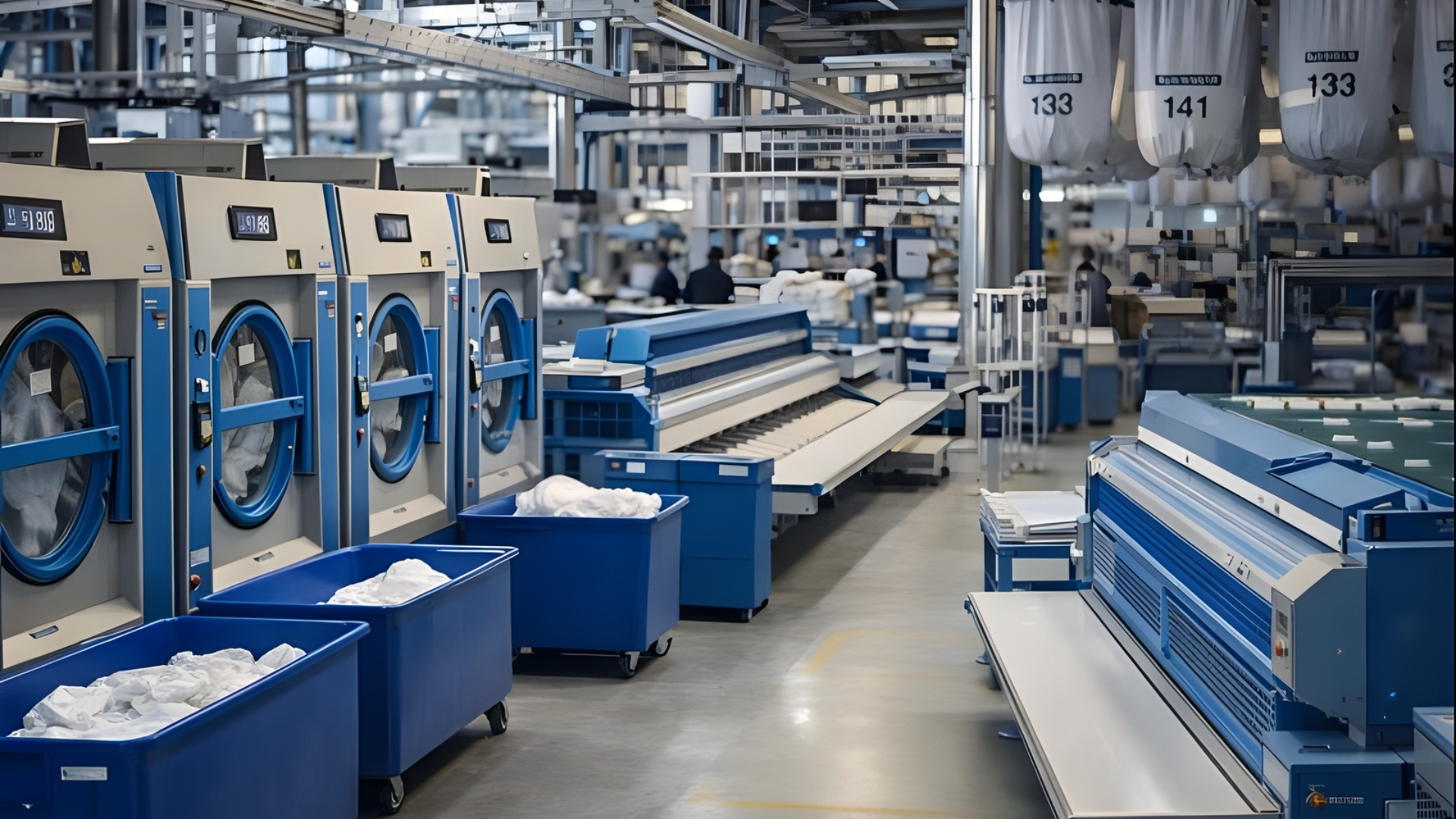
When people talk about the future of laundry, the conversation usually jumps straight to automation.
Robots. Conveyor systems. Fully unmanned facilities.
But in reality, most laundries don’t struggle because they lack automation.
They struggle because they lack visibility.
And that’s the real shift happening in laundry technology right now.
Automation didn’t remove complexity, it exposed it
Automation has made laundries faster.
Washlines run continuously. Volumes increase. Turnaround times improve.
But complexity didn’t disappear, it simply moved out of sight.
In a typical commercial laundry, machines can be running at full speed while questions quietly pile up:
- A trolley goes missing between shifts
- A customer reports shortages, but no one knows when items disappeared
- A machine has been down twice this month, but the reason isn’t documented anywhere
The operation looks efficient on the surface.
Underneath, it’s running on assumptions.
Automation accelerates work, but without visibility, it also accelerates blind spots.
Visibility is the foundation of modern laundry operations
Visibility means knowing what’s happening, not guessing.
It means:
- Knowing what textiles you actually have
- Knowing where they are right now
- Knowing how long they’ve been out
- Knowing which machines cause repeated issues
- Knowing where problems start, not just where they end
This is where many laundries hit a ceiling.
Not because they can’t wash more linen,
but because they can’t see clearly enough to stay in control as they grow.
What laundry operations look like before and after visibility
Before visibility
- Linen is counted periodically, not continuously
- Missing items are discovered weeks or months later
- Sorting errors are noticed only after customers complain
- Maintenance notes live in notebooks, phones, or memory
With visibility
- Overdue textiles are flagged early, while recovery is still possible
- Sorting mistakes are reduced immediately, not after the fact
- Machine issues are logged where they happen
- Patterns emerge instead of surprises
The difference isn’t more effort.
It’s better insight.
The future isn’t “lights-out laundries”
Fully autonomous laundries sound impressive, but they’re rare, expensive, and often unrealistic.
Most facilities still rely on people:
- To load and unload machines
- To sort mixed textiles
- To handle exceptions and edge cases
- To keep operations running during peak demand
The future of laundry isn’t about removing humans.
It’s about supporting them with systems that make work clearer and easier.
Technology that guides, alerts, and documents, instead of expecting staff to remember everything.
From reactive to proactive operations
Most laundry problems are discovered too late.
A common pattern looks like this:
- A batch of uniforms goes missing
- The issue is noticed only when a customer complains
- No one can say where the items were last seen
- The loss is written off as “shrinkage”
Now compare that to an operation with visibility:
- Items that stay out too long are flagged early
- Responsibility is clearer
- Repeated late returns become visible patterns
- Intervention happens before losses pile up
Same workload.
Very different outcome.
This shift, from reacting to problems to preventing them, is where real efficiency lives.
Why visibility scales better than automation alone
Automation without visibility creates faster confusion.
As volume grows:
- Small errors multiply
- Manual checks stop working
- Knowledge becomes fragmented across teams
Visibility scales because it:
- Grows with volume
- Improves accountability without micromanagement
- Reduces friction between production, sorting, and administration
- Makes automation actually useful, instead of opaque
This is how laundries scale without losing control.
What the future of laundry actually looks like
The future isn’t newer machines or more complex systems.
It’s quieter operations:
- Fewer emergency calls
- Fewer “we’ll look into it” answers
- Fewer surprises at the end of the month
And more clarity:
- Clear textile flows
- Clear machine history
- Clear responsibility
This is the direction modern laundry technology is moving, and where platforms like Washd focus their efforts.
Not on chasing futuristic headlines, but on building visibility that works in real laundry environments, every day.